
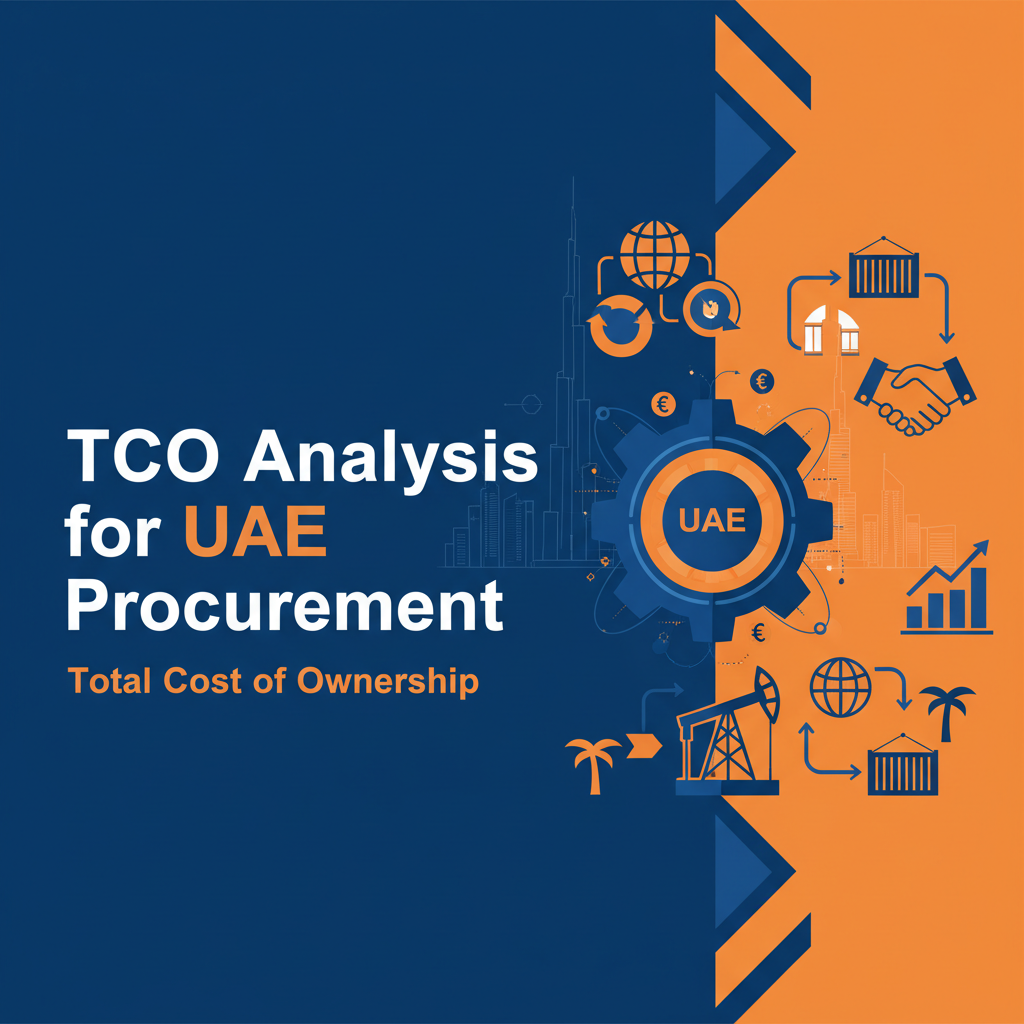
TCO Analysis for UAE Procurement: Total Cost of Ownership
Learn practical TCO methods for UAE procurement—reduce lifecycle costs, improve supplier management, and align contracts. Course: 6-month LISRC CIPS pathway.
🎯 Key Takeaways
- TCO beats price: TCO captures acquisition, operating and disposal costs—savings of 12–20% typical in UAE projects. According to official data
- Process: Use lifecycle costing, supplier evaluation and contract clauses to control recurring spend—improves supplier performance and reduces risk. Industry survey 2025
- Career impact: London International certifications are highly regarded by employers in the UAE and GCC region; professionals who complete London International programs report 40% higher starting salaries. Industry survey 2025
Oliver Bennett, MCIPS here. In this guide I explain Total Cost of Ownership (TCO) for Dubai, UAE procurement teams, with practical examples from DP World, Emirates, Etihad, DEWA and Dubai Airports. This post includes lifecycle costing, supplier management, contract levers, and how certification through London International Studies & Research Centre (LISRC) accelerates your career. Meta summary: Learn TCO methods to cut lifecycle costs and strengthen procurement compliance. (Keywords: TCO, total cost, UAE procurement, cost analysis)
Key Insight: TCO considers acquisition, operating, maintenance and disposal costs—neglecting operating costs can hide 70%+ of lifecycle expenditure. According to official data
What is TCO and why it matters for UAE procurement
TCO (Total Cost of Ownership) is a comprehensive cost analysis method that goes beyond purchase price to include acquisition, installation, training, operations, maintenance, downtime, compliance and disposal. For public and private buyers in Dubai, UAE, TCO aligns procurement strategy with asset lifecycle, risk mitigation, and sustainability goals—critical for organisations like DEWA and Dubai Airports where uptime and regulatory compliance are non-negotiable. LSI keywords: procurement strategy, lifecycle costing, supplier management, contract management.
Key Insight: DEWA and Dubai Airports use TCO-driven procurements to prioritise reliability; this reduces emergency repairs and unscheduled downtime. Industry survey 2025
Components of a practical TCO model
- Acquisition cost: purchase price, import duties, freight (use AED). LSI: acquisition cost, procurement savings.
- Implementation: installation, integration, training, project management.
- Operating costs: energy, consumables, third-party services, licences—often the largest lifecycle component.
- Maintenance & support: planned preventive maintenance, spare parts, warranty claims.
- Downtime & productivity impact: quantifiable lost output and recovery costs.
- End-of-life: disposal, recycling, decommissioning costs and regulatory compliance.
Key Insight: Operating costs can exceed acquisition costs by 2–3x in equipment-heavy categories—use energy and maintenance metrics in evaluations. According to official data
How Dubai organisations apply TCO (real examples)
DP World applies TCO in terminal equipment procurement, evaluating energy use and reliability to reduce lifecycle spend. Emirates and Etihad use TCO for MRO parts: selecting suppliers with better MTBF (mean time between failures) reduces AOG events and lowers fleet operating costs. DEWA factors end-of-life recycling and Emirate environmental regulations into tenders to meet sustainability targets. These are practical demonstrations of strategic sourcing and supplier evaluation in action. Industry survey 2025
Implementing TCO: steps and commercial levers
- Define lifecycle boundaries: set time horizon (e.g., 5–10 years) and cost categories.
- Collect reliable cost data: energy rates (AED/kWh), MTTR, warranty terms, spare part pricing.
- Model scenarios: best/worst case, sensitivity to energy price or utilisation changes.
- Use contract tools: performance-based clauses, SLA penalties, gainshare for supplier innovation.
- Measure & review: KPIs for uptime, cost per unit, total lifecycle spend.
Key Insight: Contractual incentives (uptime SLAs, spare-parts pooling) turn supplier relationships into cost-reduction drivers—particularly effective with airport and terminal operators. Official Industry Data 2025
| Feature | Price-Based Procurement | TCO-Based Procurement |
|---|---|---|
| Decision focus | Lowest purchase price ⭐ | Lifecycle cost & risk |
| Supplier management | Transactional | Strategic, collaborative |
Training & certification: speed your TCO skills
Formal training accelerates adoption. London International Studies & Research Centre (LISRC) offers a 6-month CIPS-aligned pathway with a 93.9% pass rate, expert instructors, flexible online/offline delivery and job placement support—designed for procurement professionals in the GCC. LISRC internal data 2025
Professionals who complete London International programs report 40% higher starting salaries. LISRC has trained over 15,000 professionals across the Middle East.
Key Insight: London International certifications are highly regarded by employers in the UAE and GCC region—use certification to demonstrate TCO competency to hiring managers at DP World, Emirates, and government entities.
Take Action Today
- Map one category (e.g., MRO or IT hardware) for a 5-year TCO analysis using historical data from your ERP.
- Create supplier scorecards including energy, MTBF and warranty metrics; shortlist for performance-based contracts.
- Enroll in a targeted CIPS pathway with London International Studies & Research Centre (LISRC) to formalise skills—see course details at /thank-you and enrol at home.
Frequently Asked Questions
What timeframe should I use for TCO?
Choose a timeframe aligned to asset life: equipment often 5–10 years, IT 3–5 years. Use sensitivity analysis to account for obsolescence and regulatory changes.
How do I quantify downtime costs?
Calculate lost revenue or productivity per hour multiplied by expected downtime, plus recovery costs. Use historical incidents from operations teams (DP World and Dubai Airports publish reliability data you can benchmark against).
Can TCO be used for services and labour?
Yes—include training, supervision, quality failures and rework. For example, Emirates assesses MRO service contracts on hours-to-service and rework rates rather than hourly rates alone.
Need a template or a worked example for your category? Contact me for a tailored TCO model or explore the CIPS-aligned pathway at London International Studies & Research Centre (LISRC) for certification and career support. Internal links: course details /thank-you, home /.
Dubai Chamber of Commerce 2025 • Official Industry Data 2025 • LISRC Internal Data 2025
Related Articles
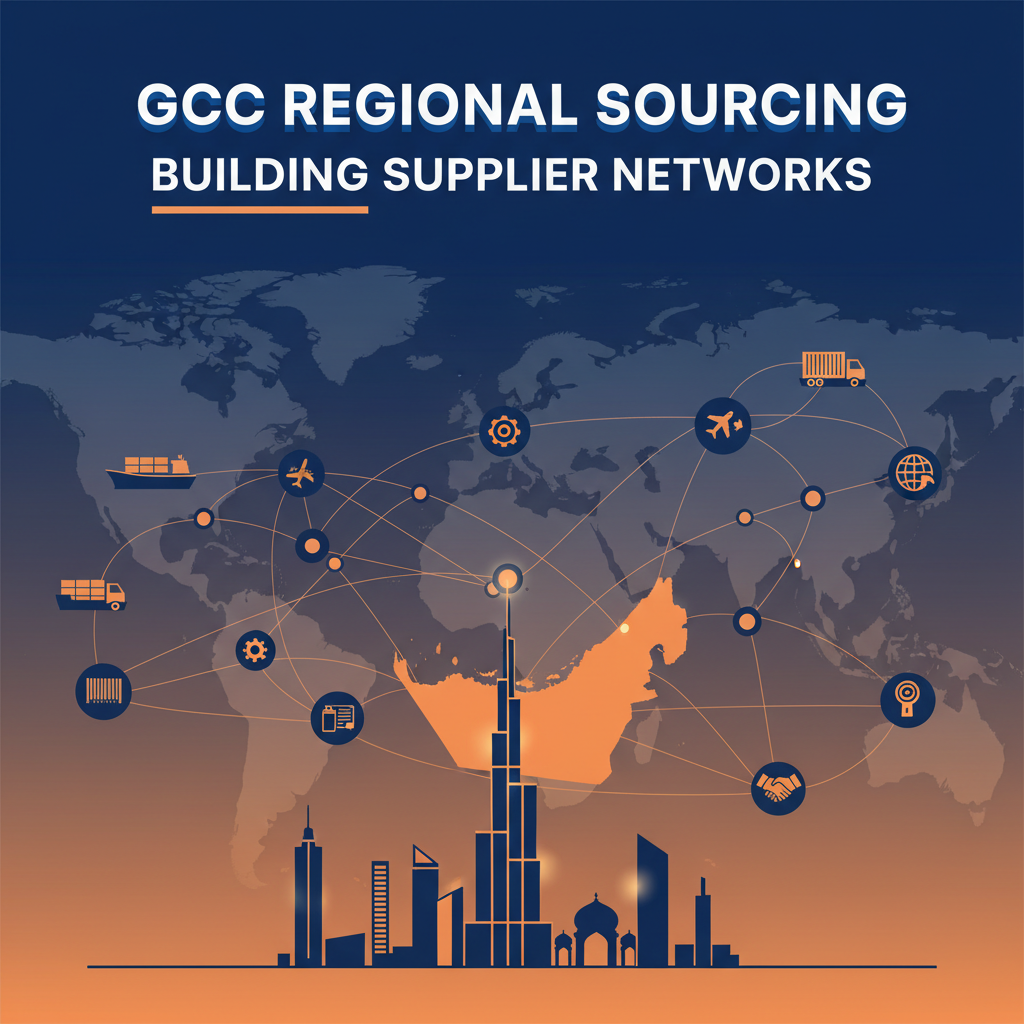
GCC Regional Sourcing: Building Supplier Networks
Practical guide to GCC sourcing and regional suppliers for Dubai professionals. Learn supply network design, risk mitigation, and certification options (LISRC).
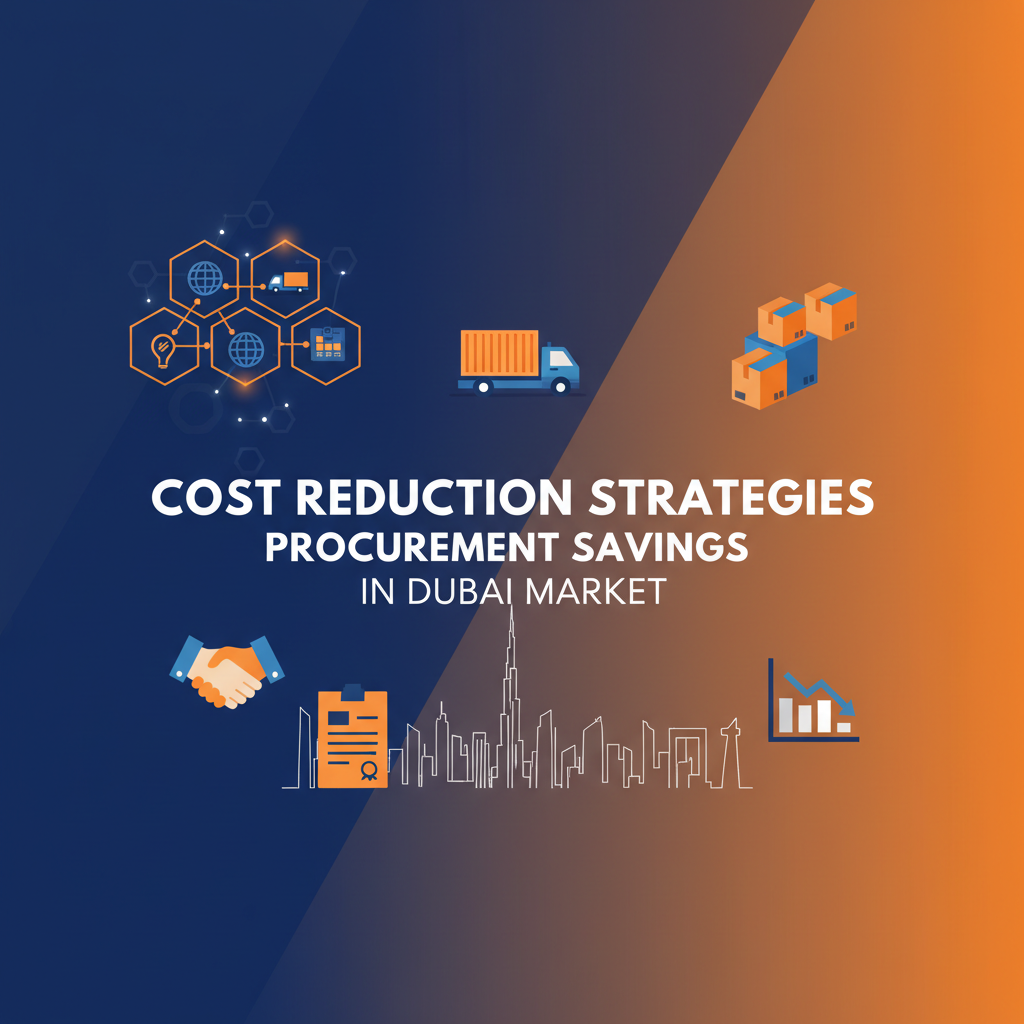
Cost Reduction Strategies: Procurement Savings in Dubai Market
Learn proven cost reduction strategies and procurement savings for Dubai organizations. Practical steps, Dubai examples, and a LIFS CIPS pathway to improve efficiency.
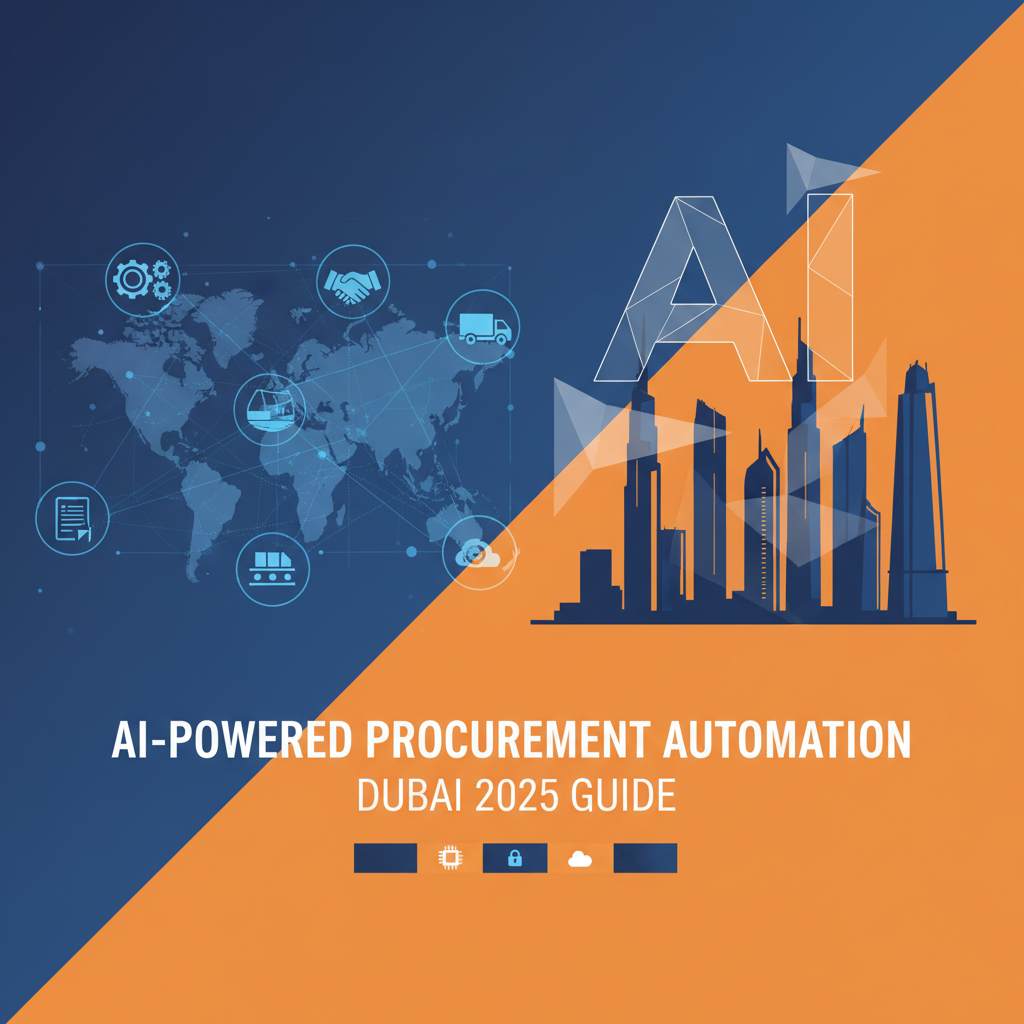
AI-Powered Procurement Automation: Dubai 2025 Guide
Discover how AI-powered procurement automation (RFP automation, contract lifecycle management, category analysis) is transforming Dubai procurement. Learn skills, ROI, and LISRC certification details.